Unlock Your Sound: The Power of Effects Units and Pedals
In the vibrant world of music and audio production, the quest for a unique and captivating sound is constant. At the heart of this sonic exploration lies the humble yet powerful
effects unit. Whether you’re a guitarist crafting your signature tone, a vocalist adding depth to your performance, or a sound engineer perfecting a mix, these devices are indispensable tools for transforming ordinary audio into extraordinary sonic landscapes. Far more than simple gadgets, effects units are the alchemists of sound, offering a vast palette of colors and textures to shape your auditory vision.
What Exactly is an Effects Unit? Defining the Sonic Alchemist
At its core, an
effects unit is an electronic device designed to alter the sound of a musical instrument or any other audio source through sophisticated audio signal processing. The primary purpose of an effects unit is to *enhance* or *add to* an existing sound, distinguishing it from audio processors like equalizers or compressors, which are typically used to *correct* or *control* sound. While the lines can sometimes blur, especially with multi-effects units that incorporate dynamic processing, the fundamental difference lies in their intent: effects introduce something new, while processors refine what's already there. For a deeper dive into these distinctions, explore our article on
Effects Units vs. Processors: Know the Key Differences.
How do they achieve this transformation? Most effects work by taking the original audio signal, processing it in various ways (often involving sophisticated digital algorithms based on delay), and then mixing this altered version back in with the original, or "dry," sound. This blend creates the desired effect, making the sound richer, more spacious, or entirely otherworldly.
Physically, effects units come in several forms:
- Rack-mounted Units: Typically 19-inch 1U boxes, these are common in studios and live sound rigs, offering a wide array of effects and often deep programmability.
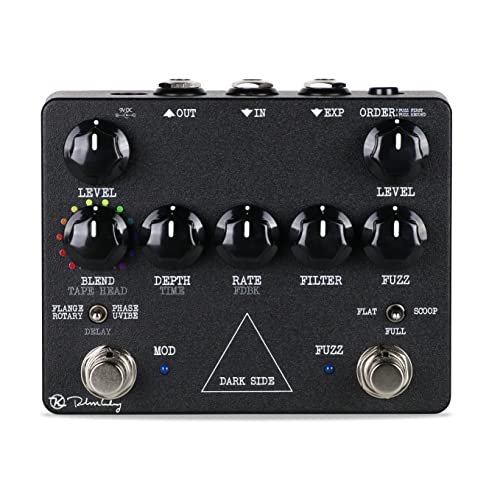
- Individual Effects Pedals: Primarily designed for guitarists, these compact, floor-based units each produce a single, dedicated effect (e.g., a distortion pedal or a single reverb pedal).
- Multi-Effects Pedals: These floor units combine multiple effects into one chassis, offering versatility and convenience for performers who need a range of sounds.
- Pedalboards: A collection of individual effects pedals chained together in a specific order, allowing musicians to create a bespoke signal path for their desired tone.
The Spectrum of Sound: Common Effects and Their Magic
The world of audio effects is incredibly diverse, offering an array of sonic transformations. Here are some of the most common and creatively powerful types:
Time-Based Effects: Creating Space and Movement
These effects manipulate the timing of the audio signal to create sensations of space, echo, or repeating patterns.
- Reverb: Arguably the most common effect in live sound and recording, reverb simulates the natural reflections of sound in a physical space, from a small room to a vast cathedral. It adds depth, realism, and a sense of atmosphere.
- Delay/Echo: These effects create distinct repetitions of the original sound. Delay can range from a single echo to complex, rhythmic repeats that build upon each other, adding texture and groove.
Understanding and mastering these fundamental time-based effects is crucial for any audio enthusiast. Learn more about them in our guide,
Mastering Audio Effects: Delay, Reverb, Chorus Explained.
Modulation Effects: Adding Movement and Character
Modulation effects work by continuously varying a parameter of the sound (like pitch, amplitude, or filter frequency) to create swirling, shimmering, or wavering textures.
- Chorus: Simulates the sound of multiple instruments or voices playing simultaneously by duplicating the audio signal, detuning it slightly, and adding a small, varying delay. The result is a lush, thick, and shimmering sound.
- Flange: Creates a distinctive "jet plane" or "whooshing" sound by mixing two identical audio signals, with one slightly and continuously delayed.
- Phaser: Produces a swirling, sweeping effect by creating a series of peaks and troughs in the frequency spectrum, which are then swept across the audio.
Pitch Effects: Redefining Harmonies
These effects alter the pitch of the audio signal, allowing for harmonies, detuning, or complete pitch shifts.
- Pitch Shift/Detune: Changes the pitch of the sound up or down, often used to create harmonies or subtle thickening effects (detune).
- Octave Generator: Adds a signal an octave (or two) above or below the original, enriching the sound.
Gain-Based Effects: Adding Grit and Sustain
Particularly vital for electric guitar, these effects manipulate the signal's gain to create anything from subtle warmth to aggressive saturation.
- Distortion/Overdrive/Fuzz: These are distinct but related effects that intentionally clip or saturate the audio signal, producing a raw, gritty, and often harmonically rich sound. Overdrive is typically milder, distortion more aggressive, and fuzz offers an even more saturated, compressed, and often vintage tone.
Filter Effects: Sculpting Frequencies
While equalizers are often considered processors, certain filters are used creatively as effects.
- Wah-Wah Pedal: A classic guitar effect that allows the user to manually sweep a filter across the frequency spectrum, creating a vocal-like "wah" sound.
Harnessing the Power: How to Use Effects Units Effectively
Getting the most out of your
effects unit involves understanding how it works, how to connect it, and a good dose of experimentation.
The Digital Core
Most modern effects units, whether rack-mounted or pedal-based, utilize digital signal processing (DSP). This involves converting the analog audio signal into a digital format, manipulating it with complex algorithms, and then converting it back to analog. The specific algorithms determine the type of effect, with many time-based effects relying heavily on precisely controlled digital delay.
Connecting in Live Sound
In a live sound reinforcement system, effects units are typically connected using a
post-fade auxiliary send from the mixing console. Here’s why and how:
- Aux Send to Effect Input: The auxiliary send routes a copy of the channel’s signal to the effect unit’s input. Using a *post-fade* send ensures that as you adjust the channel fader (the dry signal), the amount of signal sent to the effect changes proportionally. This maintains a consistent wet/dry balance.
- Effect Output to Aux Return: The processed output from the effects unit is then routed back into the mixer’s dedicated auxiliary return channels, or sometimes into an unused input channel. Most effects units allow for mono input but provide stereo outputs, which is ideal for creating a wider, more immersive stereo effect in the mix.
This setup allows the engineer to control the amount of effect applied to each individual channel, mixing the "wet" (effected) signal with the "dry" (original) signal.
Mastering the Pedalboard
For guitarists and other instrumentalists using floor pedals, the concept of a "signal chain" is paramount. This refers to the specific order in which individual pedals are connected. The order significantly impacts the final sound. A common, effective signal chain might look like this:
- Tuner: First in the chain for accurate tuning without interference.
- Dynamic Effects (Compressor): To even out dynamics and add sustain.
- Pitch Effects (Octave Generator, Wah-Wah): Before distortion to ensure clarity.
- Gain Effects (Overdrive, Distortion, Fuzz): These are crucial for shaping the core tone and should be carefully ordered.
- Modulation Effects (Chorus, Flange, Phaser): Often placed after gain effects for a more vibrant sound.
- Time-Based Effects (Delay, Reverb): Typically last in the chain to provide space and ambience to the fully shaped tone.
Experimentation with signal chain order is highly encouraged, as it's a key aspect of personalized tone crafting.
Practical Advice for All Users:
- Read the Manual: Especially with complex digital multi-effects units, the manual is your best friend. Menus and functions can be unintuitive without guidance. Make sure you understand how to use it *before* you hire or buy!
- Start Simple: Don't try to use every effect at once. Begin with one or two key effects and learn how they interact with your instrument and playing style.
- Less is Often More: Over-processing can lead to a muddy or unnatural sound. Subtle application of effects often yields the most professional and pleasing results.
- Consider the Context: The effects you use in a live performance might differ from those you'd apply in a studio recording. Think about the acoustic environment and the overall mix.
- Experiment and Explore: The beauty of effects units lies in their ability to inspire creativity. Don't be afraid to try unconventional combinations or settings.
Choosing the Right Effects Unit for Your Needs
The choice between a rack unit, an individual pedal, or a multi-effects pedal depends largely on your specific requirements, instrument, and budget.
*
Individual Pedals: Offer dedicated functionality and often superior sound quality for a single effect. They are highly modular, allowing you to build a custom setup, but can become costly and bulky. Ideal for players who know exactly what specific sounds they want.
*
Multi-Effects Pedals: Provide a wide range of effects in a single, often more affordable and portable unit. They typically include presets, expression pedals, and easy switching between complex effect chains. Excellent for versatility and convenience, especially for gigging musicians.
*
Rack-Mounted Units: Offer extensive processing power, deep programmability, and high fidelity. They are more suited for fixed installations in studios or larger live sound rigs where space and portability are less of a concern than ultimate control and sound quality.
Conclusion
From subtle sonic enhancements to dramatic transformations,
effects units are pivotal in shaping the sound of modern music. They empower musicians, producers, and engineers to imbue audio with emotion, character, and a unique identity. Whether you're chasing the perfect vintage fuzz, creating vast atmospheric soundscapes, or simply adding a touch of reverb to a vocal, understanding and skillfully employing these devices is an essential step on your sonic journey. So, dive in, experiment, and unlock the boundless potential of your sound with the power of effects units and pedals.