Mastering Audio Effects: Delay, Reverb, Chorus Explained
In the vast landscape of audio production, few tools possess the transformative power of an effects unit. These ingenious devices, whether housed in a rack, stomped on a pedalboard, or running as software plugins, are the sculptors of sound, adding dimension, emotion, and character to anything from a lone vocal to a full orchestral mix. While the line between 'effects' and 'processors' can sometimes blur, especially with multi-effects units incorporating dynamic tools like EQ and compression, understanding their fundamental differences is key to mastering your sound.
At its core, an effects unit is designed to *enhance* or *add to* an existing sound. It introduces new sonic elements, textures, or spatial characteristics that weren't present in the original signal. Think of it as painting new colors onto a canvas. In contrast, audio processors aim to *correct* or *control* the sound, shaping what's already there by amplifying or reducing certain frequencies, evening out dynamics, or removing unwanted noise. Effects are typically mixed with the original sound, while processors often treat the entire signal in-line. Common effects include Delay, Reverb, Chorus, Flange, and Pitch Shift, which stand apart from processors like Equalizers, Compressors, and Noise Gates.
This article will demystify three of the most ubiquitous and powerful audio effects: Delay, Reverb, and Chorus. By understanding their mechanics and applications, you���ll unlock new creative possibilities in your mixes and performances.
The Powerhouse Behind Your Sound: What is an Effects Unit?
An effects unit fundamentally alters the original sound, creating a modified version that is then blended with the dry, unprocessed signal. This blend is what gives rise to various effects. Some effects, like reverb and delay, artfully mimic natural acoustic phenomena, such as echoes in a canyon or the ambient reflections in a concert hall. Others, like flange or reverse reverbs, push the boundaries of reality, serving purely artistic and experimental purposes.
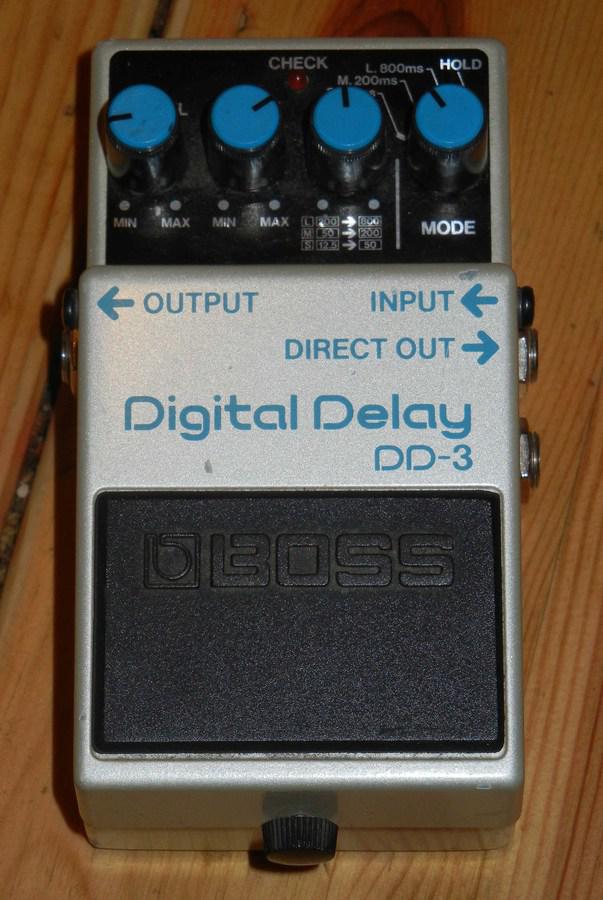
Physically, an effects unit can manifest in several forms. Traditional live sound engineers often encounter 19-inch 1U rack-mounted boxes with an array of knobs, buttons, and digital displays. Guitarists, on the other hand, are more familiar with rugged floor pedals, which can be individual units dedicated to a single effect or multi-effects units housing a comprehensive suite of options. In the modern digital age, software plugins replicate these effects within Digital Audio Workstations (DAWs), offering immense flexibility and often greater control without the need for physical hardware.
Regardless of their form, most contemporary effects units harness the power of digital signal processing. They employ complex algorithms to manipulate audio, with delay often forming the foundational block for many more elaborate effects. A common setup involves sending the audio from a mixer channel via a post-fade auxiliary send to the effects unit, with the processed signal then returned to dedicated effects return channels on the mixer. This allows precise control over the blend of the wet (effected) and dry (original) signals.
Delay: The Art of Repetition
Delay, often interchangeably used with 'echo,' is one of the most fundamental time-based effects. It works by recording an incoming audio signal, playing it back after a specified period, and then mixing this delayed copy with the original sound. The result is a distinct, audible repetition of the sound.
How Delay Works:
Conceptually, a delay unit takes a snippet of your audio, holds it for a moment, and then plays it back. This simple mechanism allows for incredible versatility:
- Delay Time: This parameter dictates the duration between the original sound and its first repetition. Measured in milliseconds (ms) or synchronized to musical tempo (e.g., 1/8th note, 1/4 note).
- Feedback: Controls how many times the delayed sound repeats. Higher feedback settings send the delayed signal back into the delay circuit, creating a cascading, decaying series of echoes that can even lead to self-oscillation if pushed too far.
- Mix (Wet/Dry): Determines the balance between the unprocessed (dry) signal and the delayed (wet) signal. A subtle mix adds depth, while a higher mix emphasizes the echoes.
Creative Applications of Delay:
- Slapback Delay: A short delay (around 80-150ms) with minimal feedback, often used on vocals or guitars to create a classic rockabilly or vintage sound. It makes a sound feel instantly bigger without sounding like an obvious echo.
- Long Delays: Longer delay times (e.g., 300ms+) with moderate feedback create spacious, atmospheric textures, ideal for ambient soundscapes or dramatic vocal effects.
- Rhythmic Delays: Synchronizing delay time to the tempo of a song (e.g., dotted eighth notes) can create intricate rhythmic patterns that interact with the music, adding groove and excitement.
- Ping-Pong Delay: A stereo delay effect where echoes alternate between the left and right channels, creating a wide, dynamic soundstage.
Pro Tip: For musical delays, always try to sync your delay time to the track's tempo. Many digital delay units and plugins offer tempo synchronization features, making it easier to integrate rhythmic echoes seamlessly into your mix.
Reverb: Crafting Acoustic Spaces
Reverb is perhaps the most commonly used audio effect, especially in live sound. It simulates the natural reflections of sound in a physical space, giving instruments and vocals a sense of environment, size, and depth. From the intimate ambiance of a small room to the vast expanse of a cathedral, reverb helps transport the listener to a specific acoustic setting.
How Reverb Works:
While seemingly simple, reverb is a highly complex effect that mimics thousands of tiny, overlapping delays and reflections that occur when sound waves bounce off surfaces. These reflections gradually lose energy and decay over time. Digital reverb algorithms simulate this process through a combination of early reflections (first direct bounces) and a dense, decaying tail.
- Decay Time (Reverb Time): This is the most critical parameter, defining how long it takes for the reverb tail to dissipate. Longer decay times simulate larger, more reflective spaces.
- Pre-Delay: The brief period between the original sound and the onset of the first significant reflections or the main reverb tail. A longer pre-delay can help maintain the clarity of the original sound, preventing it from being swamped by the reverb.
- Damping: Simulates how high frequencies are absorbed more quickly by surfaces in a real room. Higher damping settings create a darker, warmer reverb sound.
- Size/Shape: Controls the perceived dimensions and geometry of the virtual acoustic space (e.g., room, hall, plate).
- Mix (Wet/Dry): Balances the amount of reverberated signal with the dry signal.
Common Reverb Types and Their Uses:
- Room Reverb: Simulates smaller, more natural spaces. Ideal for adding subtle ambiance and realism without overwhelming the sound.
- Hall Reverb: Replicates the acoustics of large concert halls. Known for lush, spacious, and often long decay times, perfect for orchestral elements, dramatic vocals, or grand synth pads.
- Plate Reverb: Emulates early mechanical plate reverbs. Characterized by a bright, dense, and smooth sound, often favored for vocals and drums due to its ability to sit well in a mix.
- Spring Reverb: Another mechanical emulation, typically found in guitar amplifiers. It has a distinctive "twangy" and sometimes metallic sound, great for vintage guitar tones.
- Gated/Reverse Reverb: More artificial and artistic, where the reverb tail is abruptly cut off (gated) or played backward before the original sound (reverse), creating unique sonic textures.
Pro Tip: Reverb can easily muddy a mix if overused. Experiment with different pre-delay settings to give your original sound space before the reflections kick in. Also, consider EQing your reverb returns to shape its frequency content, for instance, rolling off some low end to prevent muddiness.
Chorus: Thickening and Widening Your Sound
Chorus is a modulation effect designed to make a single sound source appear as if multiple identical sources are playing simultaneously, each slightly detuned and out of time with the others. The result is a lush, shimmering, and often wider sound, giving a sense of richness and density.
How Chorus Works:
A chorus effect works by duplicating the incoming audio signal. One copy remains dry, while the other copy (or copies) is subtly delayed and then its delay time is continuously modulated by a Low-Frequency Oscillator (LFO). This LFO causes the delayed signal's pitch to fluctuate slightly up and down in relation to the dry signal, simulating the natural pitch and timing variations that occur when multiple musicians play the same part.
- Rate (Speed): Controls the speed of the LFO's modulation. A slow rate creates a gentle, undulating sweep, while a fast rate can produce a more intense, warbling effect.
- Depth: Determines the intensity or range of the LFO's pitch and time modulation. Higher depth settings create a more pronounced and "thick" chorus effect.
- Delay Time (Base Delay): The central delay around which the LFO modulates. This base delay is crucial for the effect's character.
- Mix (Wet/Dry): Balances the amount of chorused signal with the dry signal.
Creative Applications of Chorus:
- Guitar: A classic application, adding shimmer and width to clean electric guitar tones, making them sound bigger and more expansive. Often used in funk, new wave, and pop music.
- Vocals: Subtle chorus can make a single vocal track sound like a layered choir or add a dreamy, ethereal quality.
- Synthesizers: Transforms thin synth pads or leads into thick, rich, and evolving textures. Essential for creating classic analog synth sounds.
- Bass Guitar: Can add presence and depth to a bass line, making it stand out without losing its low-end integrity.
Pro Tip: Use chorus judiciously. While it's great for adding richness, too much chorus, especially with high depth settings, can make a sound feel seasick or phasey, causing it to lose definition in a dense mix. Subtle applications often yield the most musically pleasing results.
Practical Application and Beyond
Understanding how to connect and operate your effects unit is as crucial as knowing what each effect does. As previously mentioned, the standard method in live sound involves using a post-fade auxiliary send from your mixer. This means that as you adjust the channel's fader (its volume), the amount of signal sent to the effect also adjusts proportionally, ensuring that the effect tail doesn't abruptly cut off when you mute or lower the channel.
Always remember: if all else fails, read the manual! Modern digital effects units, whether hardware or software, often hide a wealth of features and presets behind menu-driven interfaces. Taking the time to understand your specific unit's capabilities will undoubtedly unlock its full potential.
Beyond the technicalities, here are a few universal tips for integrating effects into your workflow:
- Less Is More: Often, the most impactful effects are those used subtly. The goal isn't always to make the effect obvious, but to enhance the original sound's character or place it convincingly within a sonic space.
- EQ Your Effects: Don't be afraid to apply equalization to your effect returns. Rolling off low frequencies from reverb and delay can prevent muddiness, while filtering high frequencies can make them sit more naturally in the mix.
- Consider the Stereo Field: Delay and chorus are excellent for widening a sound, especially when used with stereo outputs. Experiment with pan settings on your wet returns.
- Experiment and Break Rules: The most innovative sounds often come from unconventional use of effects. Try reversing the typical signal flow, or using an effect designed for one instrument on another.
Conclusion
Delay, Reverb, and Chorus are not just tools; they are powerful creative instruments that enable you to shape sonic landscapes, add emotional depth, and infuse your music with character. From the fundamental repetitions of delay to the immersive environments created by reverb and the lush thickness of chorus, these three effects form the backbone of modern audio production. By understanding their individual mechanisms, key parameters, and practical applications, you're well on your way to mastering the art of sound design and making your mixes truly stand out. So, dive in, experiment, and let your creativity flow through the transformative power of the effects unit.